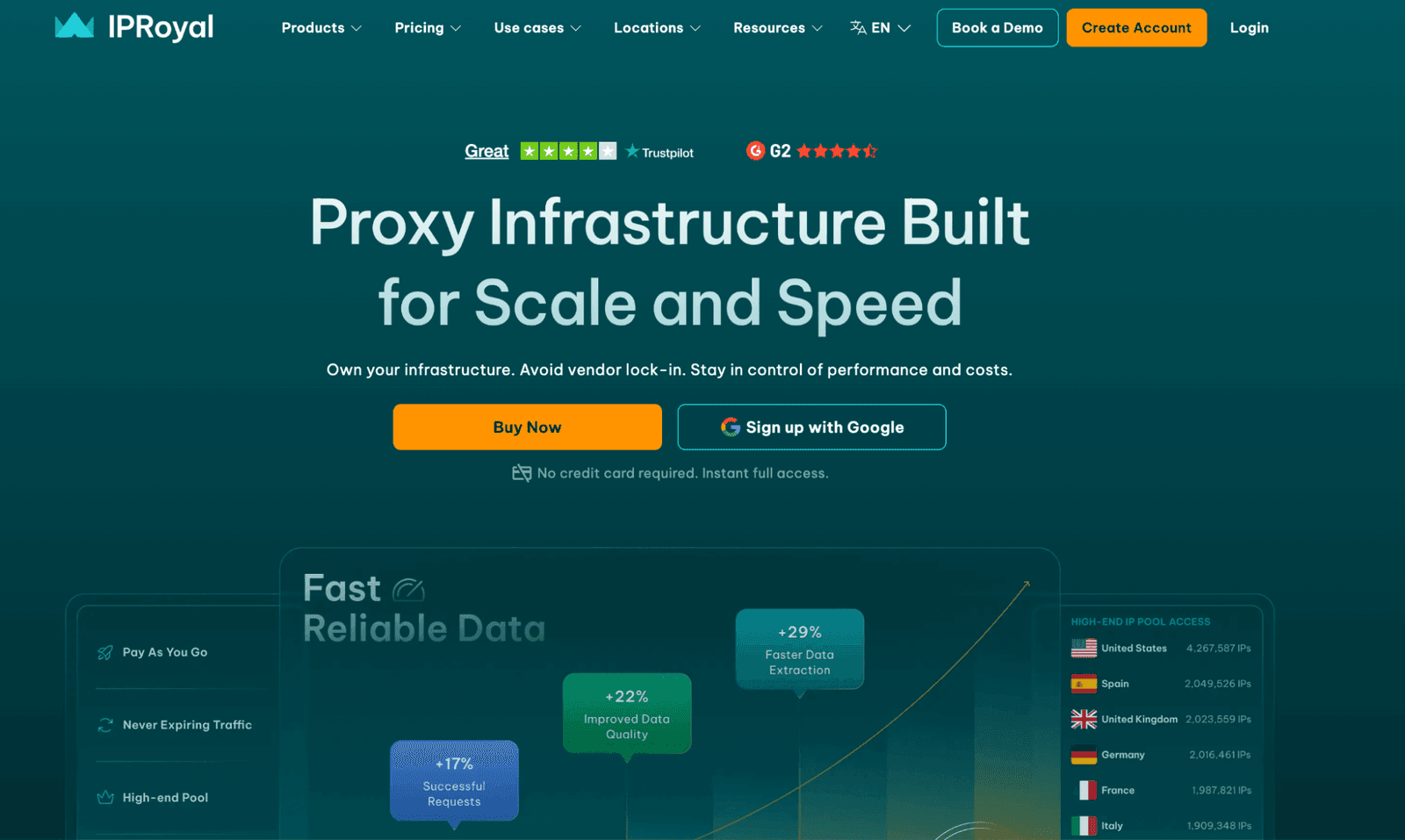
For the residential network, IPRoyal shows a 32M+ pool and frames it as a pay-per-GB service with traffic that never expires. That model works well for China-related research tasks where volume changes week to week. In my work, I ran short bursts, paused, then came back without feeling locked into a big monthly commitment. When I need steadier behavior, ISP proxies make more sense than plain datacenter exits. The provider positions this network as “datacenter speed with residential-style anonymity.” In practice, that’s the type I use for dashboards, long-lived sessions, and endpoints that punish noisy rotation.
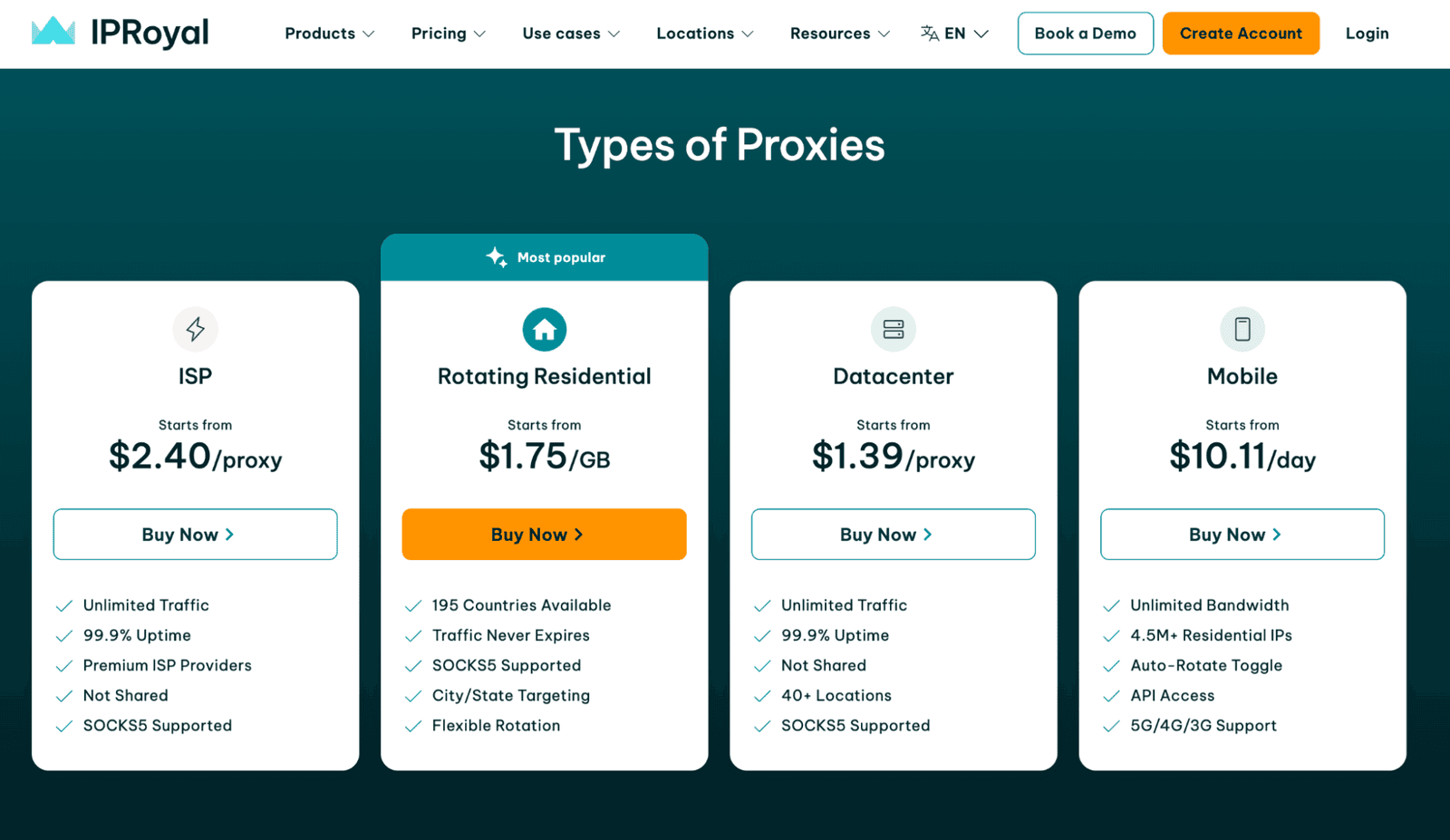
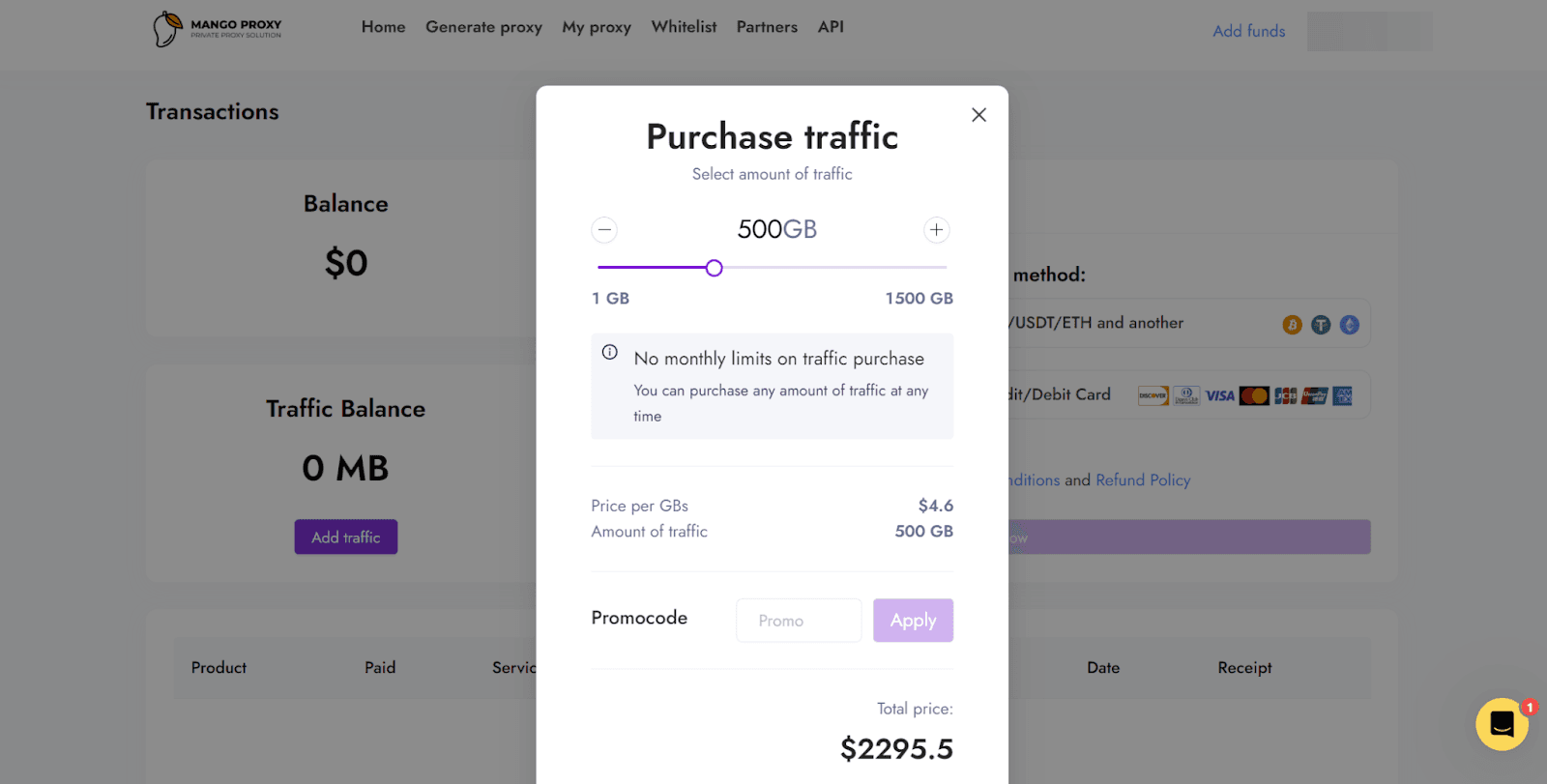
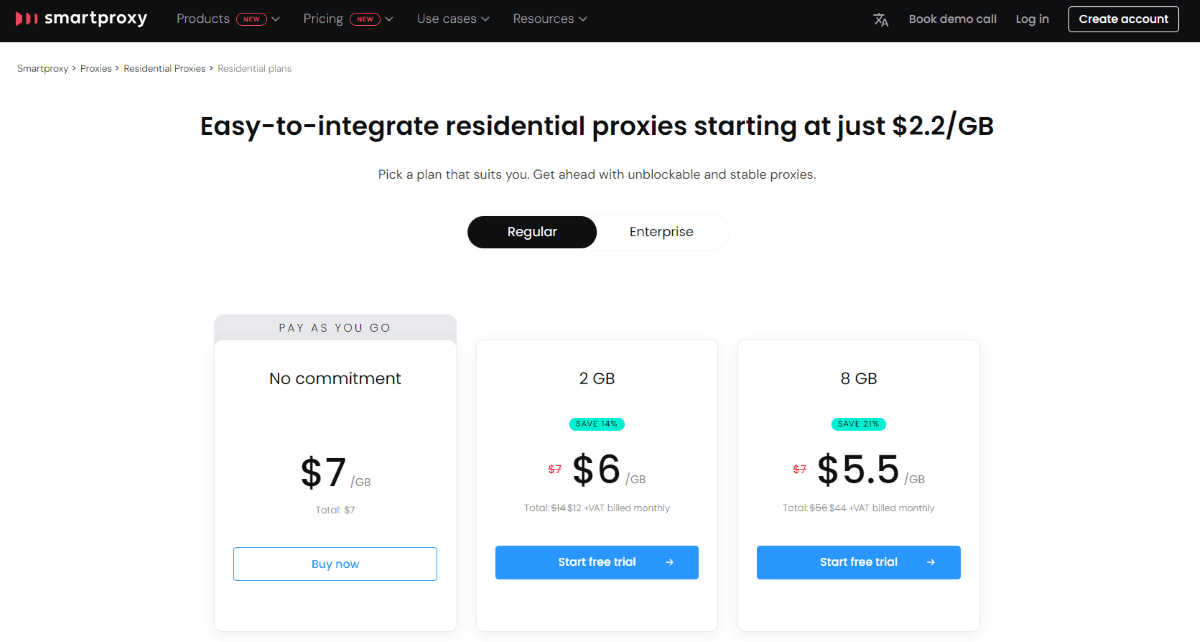
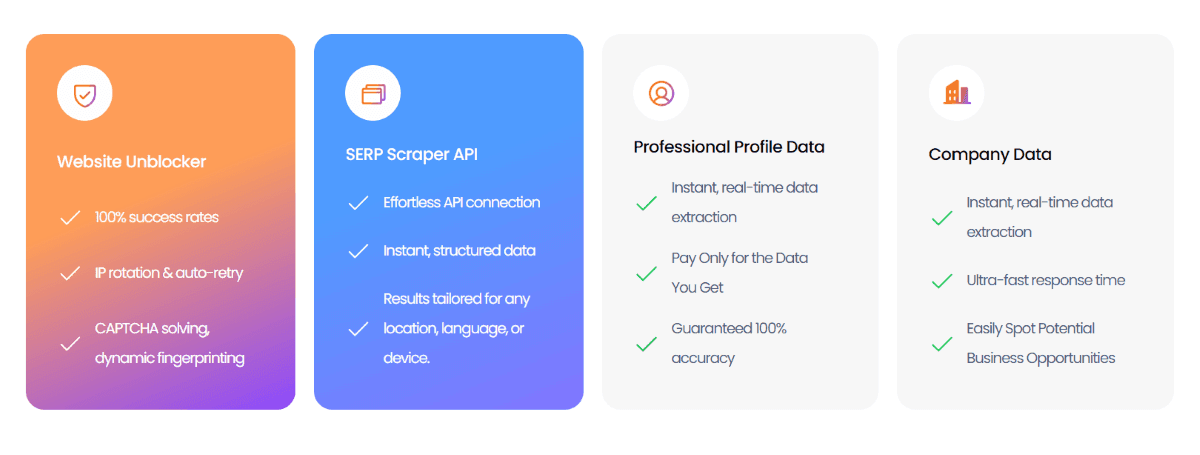
The Web Unblocker tool is an AI-driven that manages rotation, location choices, and fingerprint-side details in the background. It’s great when you prefer a hands-off approach, but I’d warn you that it only works when the rest of the request hygiene is on top. Before you use it, take care of reasonable concurrency and consistent headers. On the usability side, the order flow didn’t stress me out. I went through checkout and saw a payment page with options like Alipay, cards, crypto, PayPal, and Google Pay. The page also calls out “no hidden fees” and shows the plan details clearly. China-based teams and contractors will appreciate the localization side. At the top navigation menu, you’ll find a language switcher that changes the entire UI to Chinese (including your user dashboard). For Residential, there’s Subscription (5% off) vs Pay As You Go. The entry plan sits at $7.00 per GB, but the rate gets better once you buy more traffic (it drops to $4.90 per GB on the 50GB package). Datacenter and ISP sit on per-proxy logic (from $2.40/proxy for ISP, from $1.39/proxy for datacenter). Mobile servers start at $117/month. For bigger teams, the sensible path is a custom enterprise plan once the request volume and China targeting rules are stable.